
 By Audrey Hayes
Updated November 2026
Starting a beginner women’s strength training workout can feel confusing, especially if you have never lifted anything heavier than a grocery bag. The good news is that you do not need a gym membership or a rack full of equipment to build real strength. What you need is a clear plan, simple movements, and a guide that explains form in plain language. This list focuses on structured guides and workout books built for women who are new to lifting, with an emphasis on home-friendly routines that use dumbbells or body weight.
To keep the picks useful, we weighed a few factors: whether the guide is written for absolute beginners, how clearly it explains technique, whether the workouts are short enough to fit a busy week, and whether it addresses specific needs such as age, bone health, or home training. We also looked at general owner feedback patterns and publisher descriptions. We did not test these books ourselves, so treat the notes below as informed guidance rather than first-hand reviews.
Our Top Picks
Quick Comparison
| Product | Best for | Key feature |
|---|---|---|
| Women’s Health The Woman’s Guide To Strength Training: Dumbbells | Women who want home workouts with one pair of dumbbells | Around 30-minute routines |
| The Beginner’s Guide To Strength Training for Women Over 50 | Women in their 50s and beyond, including menopause-focused goals | Flexible 30-minute workouts with mobility focus |
| Delavier’s Women’s Strength Training Anatomy Workouts | Learners who want to understand muscles and exercise form | Anatomy illustrations for each movement |
| Strength Training For Senior Women Over 60 | Women over 60 focused on bone health and healthy weight | Strength routines aimed at bone support |
| Home Dumbbell Workouts for Women | Women who want a large library of home dumbbell sessions | 100 workouts for variety |
Women’s Health The Woman’s Guide To Strength Training: Dumbbells

Women's Health The Woman's Guide To Strength Training: Dumbbells: Get strong arms, legs, and abs—with around 30-minute workouts you can do in your own home!
This guide suits women who want a structured entry point into lifting at home. It is built around dumbbells, so it works well if you are starting with a single adjustable or fixed pair and a small amount of floor space.
Key specs Women's Beginner Bodybuilding Workout Plan: 3-Day Guide for Strength goes further into this.
- Format: dumbbell-focused strength training guide
- Workout length: around 30 minutes per session
- Setting: designed for home training
- Target areas: arms, legs, and core
Pros
- Sessions are short enough to fit a busy schedule
- Focus on common full-body movements makes it easy to follow
- Works with a modest set of equipment
Cons
- Requires access to dumbbells, so it is not a pure body-weight plan
- Advanced lifters may outgrow the early workouts quickly
The Beginner’s Guide To Strength Training for Women Over 50

The Beginner's Guide To Strength Training for Women Over 50: Flexible 30 Minute Workouts, Improve Your Mobility, Crush Menopausal Weight Gain and … Guide to Strength, Wellness & Vitality)
This book is aimed at women in midlife who want to build strength while improving mobility. It is a good match if your goals include managing weight changes linked to menopause or simply feeling more capable in daily life.
Key specs
- Audience: women over 50 and new to strength training
- Workout length: flexible 30-minute sessions
- Focus areas: mobility, strength, and overall wellness
Pros
- Written with midlife concerns in mind, not generic gym advice
- Flexible session length makes it easy to adjust to your energy level
- Emphasis on mobility supports everyday movement
Cons
- Younger readers may find the focus less relevant to their goals
- Results depend on consistency and on working with a suitable pace
Delavier’s Women’s Strength Training Anatomy Workouts
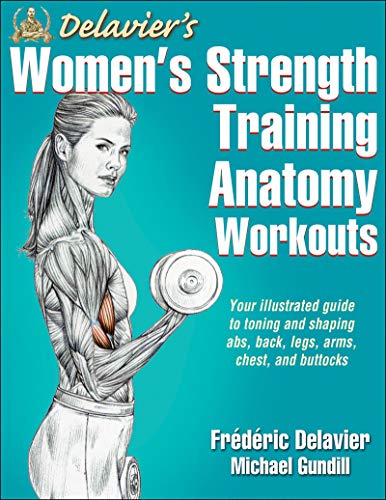
Delavier's Women's Strength Training Anatomy Workouts
This title is best for learners who like to understand why a movement works. Its anatomy-based approach helps you see which muscles are doing the work, which can make it easier to avoid sloppy form.
Key specs
- Format: illustrated anatomy and workout guide
- Focus: women’s strength training by muscle group
- Style: visual, reference-friendly layout
Pros
- Anatomy illustrations help beginners understand target muscles
- Useful as a reference you can return to between workouts
- Encourages better form through clear visual guidance
Cons
- Less of a step-by-step plan, so you may need to build your own schedule
- Visual density can feel heavy for readers who want quick workouts
Strength Training For Senior Women Over 60
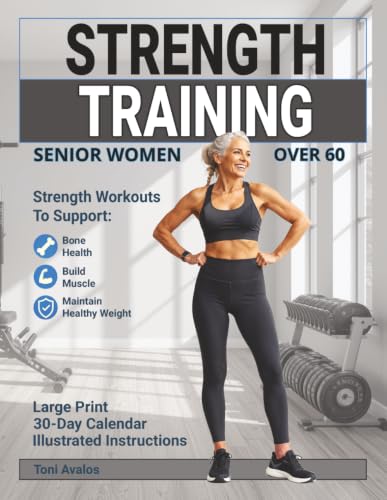
Strength Training For Senior Women Over 60: Strength Workouts to Support Bone Health, Build Muscle, and Maintain Healthy Weight (Strong & Ageless)
This book is designed for women over 60 who want to support bone health, build muscle, and maintain a healthy weight. It is a practical choice if safety and gradual progression matter most to you.
Key specs
- Audience: senior women over 60
- Focus: bone health, muscle building, healthy weight
- Style: beginner-level strength workouts
Pros
- Written specifically for older adults, with a gentler starting point
- Covers bone health alongside muscle building
- Clear focus on sustainable routines
Cons
- Not aimed at younger beginners who want a faster progression
- Anyone with existing health conditions should check with a doctor before starting
Home Dumbbell Workouts for Women

Home Dumbbell Workouts for Women: Beginner-Friendly Strength Training Workouts to Tone, Build Muscle, and Feel Strong (100 Workouts)
This guide suits women who want a large variety of home dumbbell sessions. Its wide library of workouts helps prevent boredom and gives you room to progress as your fitness improves.
Key specs
- Format: home dumbbell workout collection
- Workout count: 100 workouts
- Focus: tone, muscle building, and strength
Pros
- Large number of workouts supports long-term variety
- Designed for home use with simple equipment
- Beginner-friendly framing makes it approachable
Cons
- Requires you to pick a schedule, since there are many options to choose from
- Dumbbells are needed, which adds a small equipment requirement
Buying Guide
Selection criteria
When choosing a guide for a beginner women’s strength training workout, start with your starting point. Ask yourself how much you have lifted before, how much time you can give each week, and what your main goal is. A guide that fits your current level will keep you motivated far longer than one that assumes experience you do not have yet.
Important features
- Clear form instructions with photos or illustrations
- Workouts that take 20 to 40 minutes
- Progression advice, such as when to add weight or reps
- Options for home training with little equipment
Specs to check
- Target audience (general beginner, midlife, or older adult)
- Equipment needed (dumbbells, body weight, or both)
- Number of workouts and typical session length
- Whether the book includes a warm-up and cool-down
Choosing by need
- Home with minimal gear: choose a dumbbell-focused guide with short sessions.
- Understanding form: pick an anatomy-based reference.
- Midlife goals: look for a guide that covers mobility and menopause-related concerns.
- Over 60: prioritize bone health and gentle progression.
Things to watch out for
- Plans that promise fast results without explaining progression
- Routines that skip warm-ups or form cues
- Any program that pushes heavy loads before you are ready
If you have a medical condition, joint issues, or are pregnant, consult a doctor or qualified professional before starting a new strength program. For a broader starting point, you may also find Home Workout No Equipment: A Beginner's Step-by-Step Plan and Beginner Full-Body Strength Training helpful. If you want to compare equipment-based approaches, 10 Best Women's Beginner Dumbbell Workout Picks for Every Need (2026) covers more dumbbell options, and Strength Training vs Cardio explains how the two can complement each other.
FAQ
How many days a week should a beginner women’s strength training workout be done?
Most beginners do well with two to three sessions per week, with at least one rest day between sessions for the same muscle groups. Start at the lower end and add a session only when recovery feels comfortable.
Do I need a gym to start?
No. Many beginner programs use body weight or a single pair of dumbbells. A gym is helpful later if you want heavier loads, but it is not required to build strength at the start.
How long does each session usually take?
Most beginner sessions run between 20 and 40 minutes, including a warm-up. Shorter sessions done consistently tend to work better than long sessions you cannot keep up with.
What weight should I start with?
Choose a weight that lets you complete your target reps with good form, with about two or three reps left in reserve. If the last rep breaks your form, the weight is too heavy.
Is strength training safe for women over 60?
It can be, with a gradual start and appropriate exercises. Women over 60, or anyone with heart, joint, bone, or other health concerns, should check with a doctor before beginning a new routine.
How soon will I notice changes?
Many people notice improved energy and confidence within a few weeks. Visible muscle changes usually take longer and depend on consistency, nutrition, and recovery. If you want more background, see Top 6 Beginner Triathlete Swim Workout Books for Every Level.
Should I train on consecutive days?
Beginners generally benefit from rest days between full-body sessions. Light walking or mobility work on off days is fine and can support recovery.
Conclusion
For a beginner women’s strength training workout at home, the Women’s Health dumbbell guide and the Home Dumbbell Workouts collection are practical choices if you want short, equipment-based routines. Women over 50 may prefer the midlife-focused guide, while women over 60 will likely get more from the senior-focused book with its emphasis on bone health. If you want to understand exercise form in depth, the Delavier anatomy workouts book is a strong reference. Match your choice to your age, goals, and available equipment, and start with a pace that feels manageable.
Related reading
About Audrey Hayes
Audrey Hayes is part of our editorial team and reviews and edits our beginner fitness & weight-loss exercise guides, checking product details against manufacturer specifications and owner feedback.



