By Tristan Sterling
Updated November 2026
Parents, coaches and teachers often search for fitness tips for children because they want practical, age-appropriate ways to get kids moving without turning exercise into a chore. The right resource can give you simple activities, clear explanations and a starting point you can actually use at home or in class. This list focuses on five books and guides that cover different needs: sport skills, movement habits, emotional regulation, health-condition support and speech-linked exercises. Each pick was chosen by comparing listing details, publisher information, the stated audience and the kind of feedback owners commonly report. We did not test these books ourselves, so treat the notes below as a guide to fit rather than a verdict on quality.
Our top picks at a glance
- 1
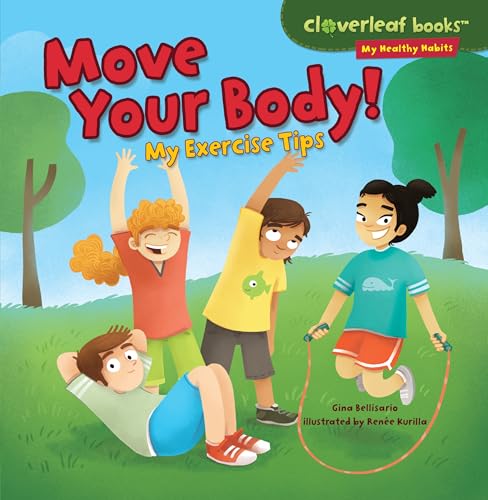 TOP CHOICEBest overallMove Your Body! My Exercise TipsView on Amazon
- 2
 TOP CHOICEBest for sport skillsPlay Basketball Like a ProView on Amazon
- 3
 TOP CHOICEBest for emotional regulationRegulate With KateView on Amazon
- 4
 Best for children with type 1 diabetesKids First, Diabetes SecondView on Amazon
- 5
 Best for speech-focused movementSpeech Therapy at HomeView on Amazon
Our Top Picks
Quick Comparison
| Product | Best for | Key feature |
|---|---|---|
| Move Your Body! My Exercise Tips | Young readers building daily movement habits | Short, picture-led exercise ideas |
| Play Basketball Like a Pro | Kids interested in learning basketball skills | Sport-specific drills and tips |
| Regulate With Kate | Children who need help managing big feelings during activity | A-to-Z regulation strategies |
| Kids First, Diabetes Second | Families of children with type 1 diabetes | Parenting guidance around daily routines |
| Speech Therapy at Home | Parents supporting speech development through play | Fun exercises that combine movement and language |
Move Your Body! My Exercise Tips
Move Your Body!: My Exercise Tips (Cloverleaf Books ™ ― My Healthy Habits)
Best for: Building simple, daily movement habits in young children
This book suits parents and early-years teachers who want a friendly introduction to exercise. It frames movement as something kids do every day rather than a separate workout, which makes it easier to repeat at home.
Key specs
- Format: children’s picture book (Cloverleaf Books “My Healthy Habits” series)
- Focus: everyday exercise and body awareness
- Best read aloud or read together with a young child
Pros
- Easy vocabulary that young readers can follow with support
- Frames exercise as a normal part of the day
- Pairs well with active play at home
Cons
- Offers ideas rather than a structured training program
- Less useful for older children seeking sport-specific skills
Bottom line: A strong first pick for families of preschool and early elementary children who want to build movement into everyday life.
View on AmazonPlay Basketball Like a Pro
Play Basketball Like a Pro: Key Skills and Tips (Sports Illustrated Kids: Play Like the Pros)
Best for: Kids who want to learn basketball fundamentals
Aimed at school-age children who already show interest in basketball, this title from the Sports Illustrated Kids “Play Like the Pros” series walks through core skills and tips. It works well for a young player’s own reading or as a coach’s reference.
Key specs
- Series: Sports Illustrated Kids: Play Like the Pros
- Sport: basketball
- Focus: key skills and tips for young players
Pros
- Sport-specific guidance that builds real skills
- Series format is familiar to young sports readers
- Encourages active practice outside the book
Cons
- Limited to one sport
- Reading level suits older children more than toddlers
Bottom line: Best for school-age kids who want to turn sport interest into practical skill practice.
View on AmazonRegulate With Kate
Regulate With Kate: Kids' Regulation Tips From A – Z
Best for: Helping children manage emotions alongside physical activity
This resource is for parents, counselors and teachers who want strategies for helping kids regulate their emotions. Movement and regulation often go hand in hand, so it fits families looking to pair active time with calming tools.
Key specs
- Topic: children’s emotional regulation
- Format: A-to-Z tips arranged by theme
Pros
- Organized alphabetically, so it is easy to scan
- Useful for calming routines before or after active play
- Practical language for everyday use
Cons
- Not a fitness program; movement is a supporting theme
- Details on format and page count vary, so check the listing
Bottom line: Good for adults who want to combine active play with emotional support for children.
View on AmazonKids First, Diabetes Second
Kids First, Diabetes Second: tips for parenting a child with type 1 diabetes
Best for: Families balancing physical activity with type 1 diabetes care
Written for parents of children with type 1 diabetes, this book focuses on the day-to-day realities of raising a child with the condition. Exercise and blood sugar management are central concerns for these families, so it fits readers who need practical parenting guidance.
Key specs
- Topic: parenting a child with type 1 diabetes
- Audience: parents and caregivers
Pros
- Speaks directly to the emotional side of diabetes care
- Focuses on family routines, including activity
- Useful for caregivers who feel overwhelmed
Cons
- Not a substitute for medical advice on exercise and insulin
- Not a general children’s fitness guide
Bottom line: A supportive read for parents, but always consult your child’s diabetes care team before changing activity levels.
View on AmazonSpeech Therapy at Home
Speech Therapy at Home: Practical Tips and Fun Exercises to Support Your Child’s Speech Development
Best for: Parents who want to build speech skills through playful movement
This guide suits parents who want to support a child’s speech development at home using fun exercises. Many activities combine physical play with language practice, which can help keep young children engaged.
Key specs
- Topic: speech development through practical activities
- Format: tips and fun exercises for home use
Pros
- Combines play with language practice
- Easy to use in short daily sessions
- Practical for parents without clinical training
Cons
- Not a fitness book; the movement link is indirect
- Does not replace a licensed speech-language pathologist
Bottom line: Helpful for parents who want playful home activities, ideally used alongside professional guidance.
View on AmazonBuying Guide
Match the Book to the Child’s Age
Picture books suit preschoolers and early readers, while sport and regulation guides work better for school-age children. Check the reading level and whether an adult needs to read aloud.
Good picks for this: Move Your Body! My Exercise Tips, Play Basketball Like a Pro
Decide Between Sport Skills and General Movement
If your child wants to learn a specific sport, choose a title focused on that sport. If the goal is general activity, a broad movement guide is a better fit.
Good picks for this: Play Basketball Like a Pro, Move Your Body! My Exercise Tips
Consider Emotional Wellbeing
Physical activity can affect mood and stress. Look for resources that address regulation if your child struggles with big feelings during sport or play.
Good picks for this: Regulate With Kate
Check for Health Conditions
If your child has a medical condition, choose a resource written for that condition and confirm any activity plans with the child’s doctor or care team.
Good picks for this: Kids First, Diabetes Second
Look at Structure and Format
Alphabetical tips, short exercises and illustrated pages are easier to use in brief sessions. Longer narrative books may suit bedtime reading more than active practice.
Good picks for this: Regulate With Kate, Speech Therapy at Home
Think About Language and Speech Goals
If speech development is a concern, combining play with language practice can help. Still, a guide like this complements rather than replaces professional support.
Good picks for this: Speech Therapy at Home
Plan for Repeated Use
Books that offer short, repeatable activities give you more value over time than one-off reads. Choose a title you can return to each week.
Good picks for this: Move Your Body! My Exercise Tips, Play Basketball Like a Pro
FAQ
What are the best fitness tips for children under five?
Young children benefit most from unstructured active play such as running, climbing, jumping and throwing. Short, frequent movement breaks work better than long sessions. Picture books like Move Your Body! can help turn movement into a daily habit.
How much physical activity do children need?
Public health guidance in the United States recommends that children and adolescents get at least 60 minutes of moderate to vigorous physical activity per day, with a mix of aerobic activity and muscle- and bone-strengthening activity. Check current guidance from the CDC or your child’s pediatrician.
Is sport-specific coaching better than general exercise for kids?
Both have value. Sport-specific practice builds skills and interest, while general activity supports overall health. Many children benefit from a mix of both.
Can movement help with children’s emotional regulation?
Physical activity is often linked to better mood and stress management, and calming routines can help children settle after active play. Resources like Regulate With Kate can help adults plan these routines.
Should a child with a health condition exercise differently?
Yes, often. Children with conditions such as type 1 diabetes need individual plans for activity, food and medication. Always consult your child’s doctor or care team before starting or changing an exercise routine.
How can parents keep children motivated to be active?
Choose activities your child enjoys, keep sessions short, and join in when you can. Praise effort rather than results, and rotate activities to keep things fresh.
Conclusion
For most families looking for fitness tips for children, Move Your Body! My Exercise Tips is the most versatile starting point, especially for younger kids. Older children interested in a specific sport will get more from Play Basketball Like a Pro. Regulate With Kate suits families who want to pair movement with emotional support, while Kids First, Diabetes Second and Speech Therapy at Home address specific family needs. Match the pick to your child’s age, interests and any health or developmental goals, and consult a professional where needed.
Sources
- Physical activity guidelines for children and adolescents, including recommended daily activity levels (cdc.gov)
- Pediatric guidance on physical activity, sports participation and child health (aap.org)
- Research summaries on children's physical activity and health outcomes (nih.gov)
Related reading
- Top 6 Best Health and Fitness Tips for Beginners in 2026
- Tips on Fitness Walking: 9 Beginner Habits That Build Results
- Tips for Tanning at Planet Fitness: 7 Steps for a Safe, Even Glow
- Swimming for Fitness Tips vs Running: Which Should You Choose?
- Running for Fitness Tips (2026): Which Should You Choose?

About Tristan Sterling
Tristan focuses on practical advice for beginner fitness & weight-loss exercise: what matters before you buy, what to skip, and how to get more out of what you already own.