 By Colin Foster
Updated November 2026
Low-impact exercise for weight loss at home works when it keeps you moving consistently, burns more calories than sitting, and fits into a routine you can stick with. Low-impact moves like brisk marching, step touches, and bodyweight squats keep at least one foot on the ground, so they are easier on your joints than running or jumping while still raising your heart rate.
Why Low-Impact Exercise Helps With Weight Loss
Weight loss comes down to burning more energy than you eat over time. Low-impact workouts make that easier to sustain because they are gentler on your knees, hips, and ankles. Many beginners quit high-impact programs within a few weeks due to soreness or minor injuries. A routine you can repeat three to five times a week almost always beats an intense plan you abandon.
Shopping for one? See our guide: 7 Best Weight Loss Exercises (2026): Beginner-Friendly Picks.
Low-impact sessions also work well for people carrying extra weight, returning after time off, or recovering from mild joint issues. A walking-style routine of 30 minutes can burn roughly 100 to 200 calories for an average adult, depending on body weight and pace. That number adds up across a week.
Factors That Affect Your Results
Several factors determine how well your routine works:
- Frequency: Aim for at least 150 minutes of moderate activity per week, the level the CDC recommends for adults.
- Intensity: You should be able to talk but not sing. That is a moderate effort.
- Strength work: Adding bodyweight exercises two days a week helps protect muscle while you lose fat.
- Diet: Exercise supports weight loss, but calorie intake usually matters more. If you are unsure how to adjust your eating, talk with a registered dietitian or your doctor first.
If you are comparing options, our guide to Exercise for Weight Loss: A Step-by-Step Guide for Beginners explains how to combine cardio and strength in a simple weekly plan.
A Simple Home Routine to Start
- Warm up for five minutes with marching in place and arm circles.
- Do 3 minutes of step touches or marching at a steady pace.
- Complete 2 sets of 8 to 10 bodyweight squats, using a chair for support if needed.
- Do 2 sets of 8 to 10 standing or wall push-ups.
- Finish with 3 minutes of slow marching and a gentle stretch for the legs and chest.
Repeat this three times a week and add one or two minutes to the cardio portion each week. Pay attention to pain, especially in your joints. Sharp or lasting pain means you should stop and check with a doctor or physical therapist.
For a walking-based option, see Is Walking Enough Exercise for Weight Loss? What the Numbers Say. You can also compare low-effort cardio in Indoor Exercise for Weight Loss (2026): Which Should You Choose?
What We’d Use
A simple, low-cost setup is enough for most beginners. A few options that match this style of training:
- Under-desk or compact stepper: Lets you add low-impact cardio while you work or watch TV. View on Amazon
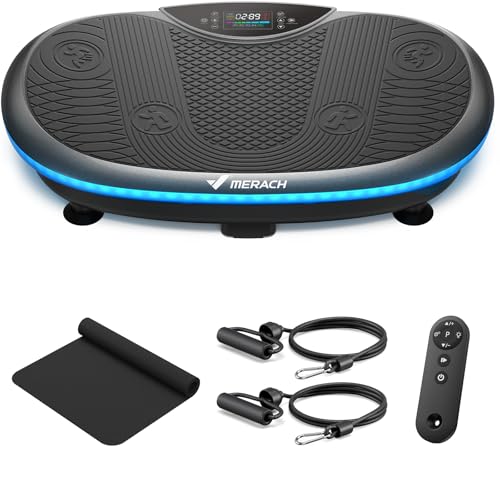
- Resistance bands: Useful for adding strength work without heavy weights. View on Amazon
FAQ
How long should a low-impact home workout last?
Most beginners start with 20 to 30 minutes, three to five days a week. Build up gradually as your energy and fitness improve.
Can low-impact exercise really lead to weight loss?
Yes, when combined with a calorie deficit. Exercise burns energy and builds habits, but diet usually has a bigger effect on the scale.
Is low-impact exercise safe if I have joint pain?
It is often a good starting point, but check with your doctor before beginning, especially if you have a joint condition, heart problem, or other health concern.
Related reading
Ready to choose one?
About Colin Foster
Colin Foster is part of our editorial team and reviews and edits our beginner fitness & weight-loss exercise guides, checking product details against manufacturer specifications and owner feedback.