By Caleb Morgan
Updated November 2026
Regular exercise weight loss works when you combine a steady weekly routine with a sensible eating pattern. In this guide, you will learn how exercise burns calories, how much activity a beginner actually needs, and how to build a plan you can keep for months. You do not need a gym or expensive equipment to begin.
How Exercise Supports Weight Loss
Weight loss comes down to energy balance: you lose weight when you consistently burn more calories than you eat. Exercise adds to the calories you burn each day, and it also helps you hold on to muscle while you lose fat. Muscle matters because it keeps your resting metabolism higher than it would be if you lost the same weight without training.
Shopping for one? See our guide: 7 Best Weight Loss Exercises (2026): Beginner-Friendly Picks.
Exercise is not a license to eat freely, though. A 30-minute walk burns a modest number of calories, and it is easy to undo with a single large snack. The people who see the best results usually pair regular movement with a moderate calorie intake and enough protein.
What Counts as Regular Exercise
For most adults, public health guidelines recommend at least 150 minutes per week of moderate aerobic activity, plus two or more days of muscle-strengthening work. For weight loss, many people aim higher, but starting at the guideline is a realistic first target. Moderate activity means you can talk, but you cannot sing comfortably.
Step 1: Set a Realistic Weekly Target
Beginners tend to start too hard and quit within two or three weeks. A better approach is to pick a small target you can meet even on a busy week.
- Choose three to four workout days per week to start.
- Set each session at 20 to 30 minutes.
- Add one or two rest days, and do not skip them.
- After four weeks, add 5 to 10 minutes per session if you feel recovered.
This gradual build protects your joints and keeps motivation high. Consistency over several months will do far more than one intense week followed by burnout.
Step 2: Combine Cardio and Strength Training
Cardio burns the most calories during the workout itself, while strength training preserves and builds the muscle that supports your metabolism. Using both gives you the best overall results.
Cardio Options for Beginners
- Brisk walking, ideally at a pace that raises your breathing
- Cycling, either outdoors or on a stationary bike
- Swimming or water walking, which is easy on the joints
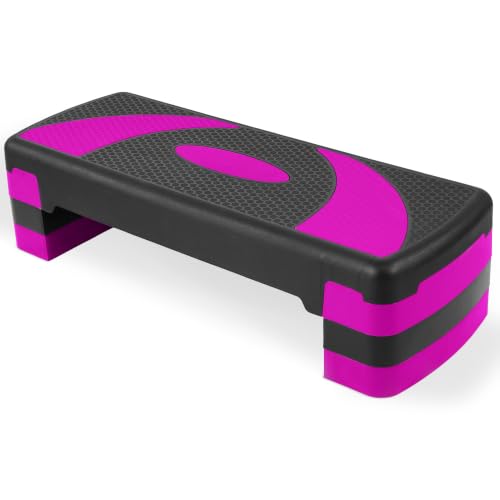
- Low-impact step or dance routines at home
Strength Moves to Start With
Two or three full-body sessions per week are enough for a beginner. Start with bodyweight exercises before adding any load:
- Squats to a chair, 2 sets of 8 to 12 reps
- Wall or incline push-ups, 2 sets of 8 to 12 reps
- Glute bridges, 2 sets of 10 to 15 reps
- Standing rows using a resistance band, 2 sets of 10 to 12 reps
- Dead bugs or bird dogs for core work, 2 sets of 8 per side
If you are new to lifting, a short session with a certified trainer can help you check your form. Consult a healthcare professional before starting if you have a heart condition, joint problems, high blood pressure, or have been inactive for a long time.
Step 3: Track Your Progress
Tracking helps you see what is working. Weight on the scale can fluctuate by a few pounds from day to day because of water and food volume, so look at trends over two to four weeks instead of single readings. Other useful measures include waist size, how your clothes fit, your resting heart rate, and how many reps or minutes you can complete over time.
| Week | Workout days | Session length | Focus |
|---|---|---|---|
| 1–2 | 3 | 20 minutes | Walking plus bodyweight basics |
| 3–4 | 3 | 25–30 minutes | Add reps or a second set |
| 5–8 | 4 | 30 minutes | Mix cardio and strength across the week |
| 9+ | 4–5 | 30–45 minutes | Progress intensity gradually |
Step 4: Build Habits That Last
The routine matters less than whether you keep doing it. A few habits make regular exercise easier to maintain:
- Schedule workouts the way you would a meeting, at the same times each week.
- Lay out your clothes or equipment the night before.
- Pair exercise with something you already do, such as a walk after dinner.
- Log each session, even when it is short.
For more ideas on structuring a week, see Weight Loss Exercise Schedule for Women: A Beginner’s Weekly Plan or Weight Loss Exercise Schedule for Men: A Beginner’s Weekly Plan. If you prefer low-impact options, Top 3 Best Exercises for Weight Loss at Home for Beginners (2026) lists simple moves you can do without leaving the house.
Common Mistakes
- Overestimating calories burned. Fitness trackers and machine displays are often generous. Treat the numbers as rough estimates.
- Eating more after workouts. A snack is fine, but a large meal can cancel out the session.
- Training too hard too soon. Sore, exhausted beginners skip workouts. Start easier than you think you need to.
- Skipping strength work. Cardio alone can lead to muscle loss during weight loss.
- Quitting after a missed week. One lost week does not undo your progress. Restart the next session.
- Ignoring sleep and recovery. Poor sleep makes hunger and cravings harder to manage.
Tips for Staying on Track
- Aim for progress you can repeat, not perfect weeks.
- Walk after meals when you can; it helps with blood sugar and adds steps.
- Drink water before and during workouts.
- Eat a source of protein at each meal to support muscle.
- Take a rest day when your legs or joints feel unusually sore.
Recommended gear
You can start with nothing but comfortable shoes, but a few inexpensive tools make strength work easier to progress.
- Resistance bands. A set of loop bands lets you add resistance to rows, squats and glute work as you get stronger. View on Amazon
- Supportive walking or training shoes. Good footwear reduces knee and heel discomfort during regular walks and workouts. View on Amazon
- Adjustable dumbbells. A pair that adjusts across several weights lets you progress without buying a full rack. View on Amazon
- Exercise mat. A thick mat makes floor work like glute bridges and dead bugs more comfortable. View on Amazon
FAQ
How often should I do regular exercise for weight loss?
Most beginners do well with three to four sessions per week, plus one or two rest days. Build up gradually as your energy and recovery allow.
Is cardio or strength training better for weight loss?
Both help. Cardio burns more calories during the workout, while strength training protects muscle as you lose fat. Doing both gives the best overall results.
How long before I see results?
Many people notice changes in energy and fitness within two to four weeks. Visible weight and body changes often take several weeks to a few months of consistent effort.
Can I lose weight with exercise alone?
Exercise helps, but most people lose weight more reliably when they also adjust what they eat. Small changes to portion sizes and daily food choices add up.
What if I am too tired to exercise?
Fatigue is common when you start. Try a shorter session or an easy walk. Often, starting is the hardest part, and energy improves as your fitness grows.
Do I need a gym?
No. Walking, bodyweight strength moves and a set of resistance bands can cover everything a beginner needs at home.
Should I exercise every day?
Daily movement is helpful, but daily intense training is not necessary for beginners. Light activity every day with a few structured sessions per week works well.
Is exercise safe if I have a medical condition?
Many people with medical conditions can exercise safely, but you should speak with your doctor first to set appropriate limits.
Conclusion
Regular exercise weight loss depends on steady effort rather than intense bursts. Start with three short sessions per week, combine walking or cardio with simple strength moves, and track trends over several weeks. Protect your consistency by avoiding common mistakes, and increase your workload only when the current routine feels manageable.
Related reading
- Women's Weight Loss Exercise: A Step-by-Step Guide for Beginners
- Women's Exercise Programs for Weight Loss: A Beginner's Step-by-Step Guide
- Which Is Better for Weight Loss Walking or Exercise (2026): Which Should You Choose?
Ready to choose one?
About Caleb Morgan
Caleb Morgan is part of our editorial team and reviews and edits our beginner fitness & weight-loss exercise guides, checking product details against manufacturer specifications and owner feedback.