
 By Audrey Hayes
Updated November 2026
Women looking for a women’s beginner bodyweight workout usually need three things: a clear starting point, moves that build strength without equipment, and a way to track progress week to week. This list covers six print resources that address those needs, from full training books to wall posters and a 13-week journal. Each pick was assessed on its stated scope for beginners, whether it explains form and progression, how well it suits home use with no equipment, and the feedback owners commonly report. Nothing here was tested hands-on.
Our top picks at a glance
- 1
 TOP CHOICEBest overallBodyweight Workouts for BeginnersView on Amazon
- 2
 TOP CHOICEBest for progressive trainingBodyweight Training & CalisthenicsView on Amazon
- 3
 TOP CHOICEBest for a visual wall routine5 PACK Military Calisthenics PostersView on Amazon
- 4
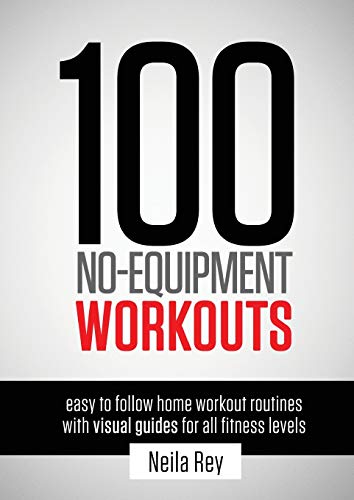 Best for variety100 No-Equipment Workouts Vol. 1View on Amazon
- 5
 Best for toning focus3 Pack Workout Posters for WomenView on Amazon
- 6
 Best for tracking progressThe Bodyweight Home Workout JournalView on Amazon
Our Top Picks
| Product | Best for | Key feature |
|---|---|---|
| Bodyweight Workouts for Beginners | First-time exercisers wanting a full guide | Beginner-focused written instruction |
| Bodyweight Training & Calisthenics | Women ready to progress over time | Progression-based exercise structure |
| 5 PACK Military Calisthenics Posters | Visual learners with a home gym corner | Five wall charts including a 30-day challenge |
| 100 No-Equipment Workouts Vol. 1 | Readers who want lots of routine options | 100 workouts across fitness levels |
| 3 Pack Workout Posters for Women | Those focused on glutes, hips, legs and arms | Targeted toning charts with mounting dots |
| The Bodyweight Home Workout Journal | People who like structure and logging | 13-week program with tracking pages |
Bodyweight Workouts for Beginners
Bodyweight Workouts for Beginners
Best for: Overall beginner guidance with a complete starting framework
This book suits women who have never followed a structured bodyweight program and want clear explanations before adding repetitions. It is a good fit for anyone who prefers reading through a plan rather than following video.
Key specs
- Format: printed book
- Focus: bodyweight exercises for beginners
- Equipment needed: none
Pros
- Written for people with no prior training background
- Covers the basics before adding difficulty
- Works offline with no app or subscription
Cons
- Static pages mean no demonstration videos
- Advanced readers may want more challenge later
Bottom line: A strong first choice for a beginner who wants a single reference covering the fundamentals.
View on AmazonBodyweight Training & Calisthenics
Bodyweight Training & Calisthenics: The Progressive Bodyweight Workout Book For Beginners & Beyond (Weight training & resistance workouts)
Best for: Progressive training as strength builds
This book is aimed at women who have finished the first few weeks of a basic routine and want to move toward harder variations. It also works for those who want to understand how progression is structured.
Key specs
- Format: printed book
- Focus: progressive calisthenics and resistance training
- Equipment needed: none
Pros
- Explains how to advance difficulty step by step
- Useful for long-term planning beyond the beginner stage
- Covers both bodyweight and resistance concepts
Cons
- Some content may feel advanced for complete novices
- Requires patience to work through the full progression
Bottom line: Best for beginners who expect to keep training and want a roadmap for getting stronger.
View on Amazon5 PACK Military Calisthenics Posters
5 PACK Military Calisthenics Posters, Bodyweight Workout Wall Charts | Military Calisthenics For Women Poster, 11.81 X 16.54 Inches, Warm‑Up Core Intermediate & 30 Day Challenge For Home Gym
Best for: A visual wall routine for a home workout space
This set suits women who learn best by looking at exercises and want reference charts posted where they train. The five-poster bundle includes a warm-up, core work, an intermediate section and a 30-day challenge.
Key specs
- Pack size: 5 posters
- Poster size: 11.81 x 16.54 inches
- Focus: calisthenics for women, including warm-up, core and 30-day challenge
Pros
- Easy to glance at mid-workout without a phone
- Covers warm-up through a structured challenge
- Suits a dedicated home gym wall
Cons
- Paper posters can curl or fade without proper mounting
- Limited explanation of technique compared with a book
Bottom line: A practical choice for anyone who wants an at-a-glance routine on the wall.
View on Amazon100 No-Equipment Workouts Vol. 1
100 No-Equipment Workouts Vol. 1: Easy to Follow Home Workouts Suitable for all Fitness Levels
Best for: Variety across a large set of home routines
This book is for women who get bored repeating the same few exercises and want a wide menu of sessions. It is designed for people at different fitness levels who train at home without equipment.
Key specs
- Format: printed book
- Focus: 100 no-equipment home workouts
- Suited to: all fitness levels, according to the listing
Pros
- Large number of workouts to rotate through
- Entirely equipment-free
- Easy to follow for home sessions
Cons
- Less guidance on building a long-term plan
- Beginners may need to choose their starting level carefully
Bottom line: Ideal for women who want plenty of ready-made sessions and enjoy variety.
View on Amazon3 Pack Workout Posters for Women
3 Pack Workout Posters for Women, Glute Hips Leg Arm Toning Exercise Charts | 11.81" X 16.54", Dumbbell & Bodyweight Beginner Workout Guide, Fitness Wall Art Decor, Comes With Glue Dots For Easy Mount
Best for: Targeted toning of glutes, hips, legs and arms
This poster set suits women whose goals center on shaping lower body and arm muscles. It also includes dumbbell options, so it is useful for those who may add light weights later.
Key specs
- Pack size: 3 posters
- Poster size: 11.81 x 16.54 inches
- Includes glue dots for mounting
Pros
- Clear focus on common toning areas
- Mounting dots make setup simple
- Covers both bodyweight and dumbbell beginner moves
Cons
- Three posters offer less coverage than a full book
- Dumbbell sections will not help those with no weights at all
Bottom line: Good for women who want a compact, visual guide focused on toning.
View on AmazonThe Bodyweight Home Workout Journal
The Bodyweight Home Workout Journal. 13-Week Program. NO EQUIPMENT NEEDED. Fitness Planner,Fitness Journal,Workout Notebook.
Best for: Tracking progress over a structured 13-week period
This journal suits women who want a written plan and a place to log sessions. It is a good match for anyone who stays motivated by seeing their progress on paper.
Key specs
- Format: journal and planner
- Program length: 13 weeks
- Equipment needed: none
Pros
- Combines a workout program with logging space
- Structured weekly layout
- Requires no equipment or setup
Cons
- Written exercise descriptions may be brief for absolute beginners
- Works best alongside a reference for form
Bottom line: A strong pick for women who want accountability and a 13-week framework.
View on AmazonBuying Guide
Choose the Right Format for How You Learn
Some people absorb information best from full text, while others prefer visual charts they can see mid-session. A book gives explanations and progressions, while posters work well as quick references. Think about whether you will read before training or glance at something while you move.
Good picks for this: Bodyweight Workouts for Beginners, 5 PACK Military Calisthenics Posters
Check the Level It Is Written For
A resource labeled for beginners should explain setup, starting positions and how many repetitions to attempt. If a book assumes prior training, expect a steeper learning curve. Look for mentions of progression so you know how to move forward when movements feel easy.
Good picks for this: Bodyweight Workouts for Beginners, Bodyweight Training & Calisthenics
Look for a Clear Progression Path
Strength improves when difficulty increases gradually. Resources that show easier and harder versions of each move, or that schedule progression over weeks, make it easier to keep growing. Without a path, many beginners either stay too long at one level or jump ahead too fast.
Good picks for this: Bodyweight Training & Calisthenics, The Bodyweight Home Workout Journal
Consider Your Main Goal
Some women want full-body strength, while others focus on toning specific areas. Match the resource to your priority. Toning-focused posters suit lower-body and arm goals, while broader books cover the whole body.
Good picks for this: 3 Pack Workout Posters for Women, 100 No-Equipment Workouts Vol. 1
Check Variety and Session Count
If you train several times a week, a resource with many workouts prevents boredom. Count how many distinct sessions a book offers. A smaller set can still work if you plan to repeat and build up sessions over time.
Good picks for this: 100 No-Equipment Workouts Vol. 1, Bodyweight Training & Calisthenics
Think About Durability and Display
Printed posters need to be mounted flat and kept away from moisture and direct sun. Books should lie open without losing pages, and journals benefit from sturdy binding if you write in them often. Owners frequently mention that mounting method affects how long posters last on a wall.
Good picks for this: 5 PACK Military Calisthenics Posters, 3 Pack Workout Posters for Women
Plan for Tracking and Accountability
Writing down sessions helps you see progress, especially in the first few months when changes are gradual. If you want built-in logging, choose a journal with weekly pages. If you already track in an app or notebook, a reference book may be enough.
Good picks for this: The Bodyweight Home Workout Journal
FAQ
What is a women’s beginner bodyweight workout?
It is a set of exercises that use your own body weight for resistance, such as squats, push-ups modified for your level, glute bridges and planks. Beginners usually start with a few sets of simple moves and increase difficulty gradually.
How often should a beginner do bodyweight workouts?
Many beginners start with two or three sessions per week and allow at least one rest day between them. Consistency matters more than intensity in the first month. Adjust frequency based on how well you recover.
Do I need any equipment to start?
No. Bodyweight training is designed to work without equipment. A mat can add comfort for floor exercises, but it is optional.
How long does it take to see results?
Timelines vary by person, starting fitness and consistency. Many people notice improved endurance and ease of movement within several weeks, while visible muscle changes usually take longer. Track your sessions to see progress that the scale may not show.
Should I choose a book or a poster?
Choose a book if you want detailed explanations and progressions. Choose posters if you prefer quick visual references while you train. Some people use both, with the book for learning and the posters for daily reference.
Is bodyweight training safe for beginners?
For most healthy adults, it is a low-risk way to start. Warm up before each session, focus on controlled form, and stop if you feel sharp pain. If you have a medical condition, injury or are pregnant, consult a doctor or physical therapist before beginning.
Conclusion
For a complete beginner who wants a reliable starting guide, Bodyweight Workouts for Beginners is the most direct choice. Women who plan to progress over time may prefer Bodyweight Training & Calisthenics. Visual learners will find the Military Calisthenics posters and the women’s toning posters practical as wall references. If you want variety, 100 No-Equipment Workouts Vol. 1 offers many sessions, while The Bodyweight Home Workout Journal suits anyone who wants a 13-week plan with space to log results. Match your pick to how you learn, what you want to achieve and how much structure you need.
Sources
- Physical activity guidelines for adults, including recommended weekly activity levels and muscle-strengthening advice (cdc.gov)
- Research summaries on strength training, exercise safety and progression for adults (nih.gov)
- Position statements and guidance from the American College of Sports Medicine on resistance training (acsm.org)
Related reading
- Women's Workout Routine at Home: A 4-Week Beginner Plan
- Women's Home Workout Plan: 4 Best Picks for Beginners (2026)
- Women's Beginner Workout Schedule: A 4-Week Step-by-Step Plan
About Audrey Hayes
Audrey Hayes is part of our editorial team and reviews and edits our beginner fitness & weight-loss exercise guides, checking product details against manufacturer specifications and owner feedback.





