 By Caleb Morgan
Updated November 2026
A home workout with weight bench lets you train your whole body without a gym membership. In this guide, you will learn how to set up your space, choose the right exercises, pick starting weights, and build a simple weekly routine you can actually stick to. The plan takes about 30 to 40 minutes per session and needs only a bench and a pair of dumbbells to start.
Why a Weight Bench Makes Home Training Easier
A flat or adjustable bench gives you a stable surface for pressing, rowing, and core work. Without one, most dumbbell moves are limited to standing or floor exercises, which makes it harder to load the chest and back safely. A bench also lets you change angles, which means one piece of equipment covers far more movements than a pair of weights alone.
Beginners do not need a fancy setup. A flat bench that holds your body weight steadily is enough for the workouts below. If you are still shopping, see our roundup of Home Gym Workout Bench: 5 Best Picks for Every Need (2026) to compare options by space and budget.
What You Need Before You Start
Gather these items before your first session so you are not stopping mid-workout to find something.
- A flat or adjustable weight bench, placed on a level, non-slip surface
- One pair of adjustable or fixed dumbbells, starting around 10 to 20 pounds per hand for most beginners
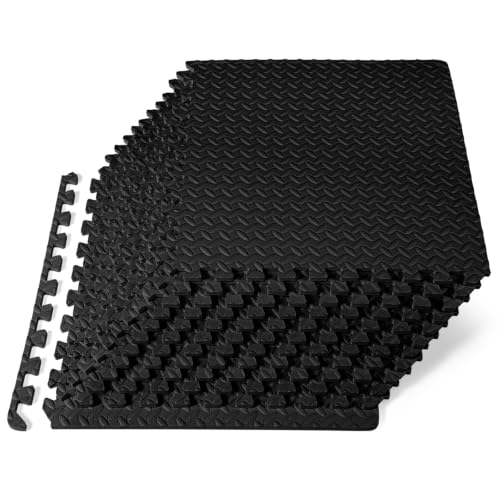
- An exercise mat for floor work and stretching
- Clear floor space about 6 feet by 6 feet around the bench
- A timer or phone to track rest periods
- A notebook or app to log weights and reps
Step 1: Set Up a Safe Space
Place the bench on a flat floor away from walls, furniture, and pets. Check that the bench does not wobble when you sit on it and push down with both hands. If you use an adjustable bench, lock the backrest in place before every set. Keep your dumbbells on the floor beside the bench, not on the bench itself, so you can reach them without twisting.
Step 2: Learn the Core Exercises
A solid beginner routine uses five movements. Master form with light weight before adding load.
Dumbbell Chest Press
Lie flat with a dumbbell in each hand, palms facing forward, resting on your upper thighs. Kick the weights up to shoulder level, then press them straight up until your arms are almost extended. Lower slowly over about two to three seconds. Keep your feet flat on the floor.
Single-Arm Dumbbell Row
Place one knee and the same-side hand on the bench. Keep your back flat and pull the dumbbell toward your hip, leading with your elbow. Pause for one second, then lower under control. Switch sides after each set.
Bench Squat or Split Squat
Stand with your back to the bench and rest one foot on it behind you. Lower your back knee toward the floor, keeping your front knee over your ankle. Push through your front heel to stand. Hold dumbbells at your sides for extra challenge.
Seated Shoulder Press
Sit upright on the bench with back support set at about 90 degrees. Hold dumbbells at shoulder height and press overhead. Lower to the start position with control. Avoid arching your lower back.
Glute Bridge With Bench Support
Lie on your back with your shoulder blades resting on the edge of the bench and knees bent at about 90 degrees. Drive your hips up until your body forms a straight line from knees to shoulders. Squeeze your glutes at the top for one second, then lower.
Step 3: Build a Simple Weekly Schedule
Train three days per week with at least one rest day between sessions. Here is a sample full-body plan you can repeat.
| Exercise | Sets | Reps | Rest |
|---|---|---|---|
| Dumbbell chest press | 3 | 8 to 12 | 60 to 90 seconds |
| Single-arm dumbbell row | 3 | 8 to 12 per side | 60 to 90 seconds |
| Bench split squat | 3 | 8 to 10 per leg | 60 seconds |
| Seated shoulder press | 2 to 3 | 8 to 12 | 60 seconds |
| Glute bridge | 3 | 12 to 15 | 45 to 60 seconds |
If you are looking for a more structured beginner program, our guide to Beginner Dumbbell Workout Female: 6 Steps to Start Strong at Home offers a similar progression you can adapt.
Step 4: Choose the Right Weight
Pick a weight where the last two or three reps of each set feel hard, but your form stays clean. If you can do more than 15 reps easily, increase the weight. If you cannot finish 8 reps with good form, drop the weight. Most people find that upper-body moves use lighter loads than legs.
Step 5: Warm Up Before Each Session
Spend five minutes warming up. Try marching in place, arm circles, bodyweight squats, and two light sets of glute bridges. A short warm-up raises your heart rate and loosens your joints, which lowers your risk of strain.
Step 6: Track Your Progress
Write down the weight, sets, and reps for every exercise. When you hit the top of your rep range for all sets, increase the weight by a small amount, usually 2.5 to 5 pounds for dumbbells. Progress can also come from adding a set, slowing your lowering phase, or reducing rest time.
Step 7: Add Cardio and Recovery
Pair your strength days with 10 to 20 minutes of brisk walking, cycling, or step-ups on the bench on non-training days. Easy movement helps recovery. For more ideas, browse Home Workout No Equipment: A Beginner's Step-by-Step Plan for extra days when you have no weights handy.
Common Mistakes
- Arching the lower back during presses. Keep your ribs down and feet planted.
- Using momentum to lift the weight. Slow the movement to two or three seconds on the way down.
- Skipping warm-ups and jumping straight to heavy sets.
- Training too often without rest, which leads to fatigue and poor form.
- Ignoring pain. Sharp or joint pain means stop and reduce the load. If pain persists, see a doctor or physical therapist.
Tips for Staying Consistent
- Schedule workouts as you would any appointment.
- Keep dumbbells and the bench in one visible spot to reduce friction.
- Use a playlist or timer that signals rest periods.
- Log every session, even short ones. Seeing progress keeps motivation up.
- If you are short on time, a 20-minute version using three exercises still counts.
Recommended Gear
- Adjustable dumbbell set: lets you change weight without buying multiple pairs, which is useful as you progress. View on Amazon
- Adjustable weight bench: offers incline and flat positions for more exercise variety. View on Amazon
- Exercise mat: cushions your back during floor work and protects flooring. View on Amazon
FAQ
How many days a week should I do a home workout with weight bench?
Three full-body sessions per week is a good starting point for most beginners. Leave at least one rest day between sessions so your muscles can recover.
Do I need an adjustable bench to start?
No. A sturdy flat bench covers the exercises in this guide. An adjustable bench adds incline options later.
How heavy should my dumbbells be?
Start with a weight that lets you complete 8 to 12 reps with good form, with the last few reps feeling challenging. Many beginners start between 10 and 20 pounds per hand, but this varies by person.
Can I lose weight with this routine?
Strength training builds muscle and supports a healthy metabolism, but weight loss depends mainly on overall calorie intake and activity. Adding regular cardio and a balanced diet improves results. Speak with a doctor before starting if you have health conditions.
How long until I see results?
Many people notice better strength within two to four weeks. Visible changes in muscle usually take eight weeks or more of consistent training.
Is a bench workout safe for older adults?
It can be, with lighter weights and controlled movement. Older adults or anyone with joint, heart, or back concerns should consult a healthcare professional first.
What if I do not have enough space?
A clear area about 6 by 6 feet is enough for most exercises. Stackable or foldable benches can help in smaller rooms.
Conclusion
A home workout with weight bench can build full-body strength with just a few pieces of equipment. Set up a safe space, learn the five core moves, train three days a week, and increase weight as your reps get easier. Stay consistent, track your numbers, and check with a professional if you have any health concerns.
Related reading
- 6 Best Workout Bench Home Gym Picks for Every Need (2026)
- 5 Best Beginner Workout to Lose Weights: Picks Compared for Home Training (2026)
- 6 Best Weight Loss Cardio Workout Picks: Best Options Compared (2026)
Ready to choose one?
About Caleb Morgan
Caleb Morgan is part of our editorial team and reviews and edits our beginner fitness & weight-loss exercise guides, checking product details against manufacturer specifications and owner feedback.