As an Amazon Associate I earn from qualifying purchases. This page may contain affiliate links.
Minerals for weight loss are not a shortcut, but they play a real supporting role. This guide explains what minerals do in the body, which ones matter most when you are cutting calories and moving more, how to get them mainly from food, and when a supplement is worth considering. By the end, you will have a simple checklist to build meals that cover your needs without guesswork.
What Minerals Do During Weight Loss
Minerals are inorganic elements your body cannot make on its own. They help regulate fluid balance, nerve signals, muscle contraction, blood sugar handling and energy production. When you eat less, your intake of these nutrients can drop quickly, especially if your meals rely heavily on processed food. Keeping them in range will not burn fat directly, but it helps you feel steadier, recover from workouts and stick to a plan longer.
Shopping for one? See our guide: 7 Best Minerals for Weight Loss: Buyer's Guide for Beginners (2026).
It helps to be clear about what minerals cannot do. No mineral melts fat or replaces a calorie deficit. Any product that promises otherwise is making a claim the evidence does not support. Think of minerals as the foundation that keeps the rest of your plan working.
The Minerals That Matter Most
Most beginners do not need to track every trace element. Focus on the handful that show up most often in weight-loss diets and workout routines.
Magnesium
Magnesium supports muscle function, nerve signaling and the process that turns food into energy. Many adults do not reach the recommended intake. The US National Institutes of Health lists the Recommended Dietary Allowance for adult men at 400 to 420 mg per day and for adult women at 310 to 320 mg per day, depending on age. Good food sources include pumpkin seeds, almonds, spinach, black beans and whole grains.
Potassium
Potassium works with sodium to manage fluid balance and muscle contractions, including your heartbeat. If you cut back on processed food and start sweating more during exercise, your potassium needs can shift. Bananas, potatoes, beans, yogurt and leafy greens are reliable sources.
Calcium
Calcium is best known for bone health, but it also plays a role in muscle contraction. Adults generally need about 1,000 mg per day, rising for women over 50 and adults over 70. Dairy, fortified plant milks, canned salmon with bones and tofu made with calcium sulfate are practical options.
Iron
Iron carries oxygen in your blood. Low iron can leave you tired and short of breath during walks or workouts, which makes consistency harder. Women of reproductive age and people who eat little meat are at higher risk of low intake. Lean red meat, lentils, fortified cereals and spinach (eaten with vitamin C foods to improve absorption) all help.
Zinc
Zinc supports immune function, wound healing and the enzymes that handle metabolism. Adult men generally need about 11 mg per day and adult women about 8 mg. Oysters, beef, pork, chickpeas and pumpkin seeds are good sources.
Step-by-Step: Building Mineral Coverage Into Your Diet
Step 1: Track your current intake for three days
Use a free food-tracking app to log what you eat. Do not change anything yet. Look at the mineral totals for magnesium, potassium, calcium, iron and zinc. This gives you a baseline and often shows gaps you did not expect.
Step 2: Fill gaps with whole foods first
If magnesium is low, add a serving of nuts or beans. If potassium is low, add a fruit or potato. Whole foods provide fiber, protein and other nutrients alongside minerals, which makes them a better starting point than pills.
Step 3: Adjust for your calorie target
When you eat less, you may get fewer minerals even if you eat well. Choose nutrient-dense foods such as leafy greens, legumes, lean protein, dairy and seeds. These give you more minerals per calorie than many snack foods.
Step 4: Reassess after four to six weeks
Repeat your food log for three days. Check whether your gaps have closed. If you still fall short after making food changes, that is the point to consider a supplement.
Quick Checklist for Mineral-Rich Meals
- One source of leafy greens or cruciferous vegetables each day
- A serving of beans, lentils or chickpeas at least three times a week
- Nuts or seeds as a snack or meal topper
- Two servings of dairy or fortified alternatives daily
- Lean protein at most meals
- A fruit or starchy vegetable like potato, sweet potato or banana
Mineral Sources at a Glance
| Mineral | Why it matters during weight loss | Easy food sources |
|---|---|---|
| Magnesium | Muscle and nerve function, energy production | Pumpkin seeds, almonds, black beans, spinach |
| Potassium | Fluid balance, muscle contraction | Bananas, potatoes, yogurt, white beans |
| Calcium | Bone health, muscle function | Milk, fortified soy milk, tofu, canned salmon |
| Iron | Oxygen transport, energy levels | Lentils, lean beef, fortified cereal, spinach |
| Zinc | Immune function, metabolic enzymes | Oysters, beef, chickpeas, pumpkin seeds |
When a Supplement May Help
A supplement can make sense if a blood test shows a deficiency, if your diet is limited by allergies or medical conditions, or if you have tracked your intake and still cannot meet your needs. Multivitamin-mineral products are common, but more is not better. High doses of some minerals, especially iron and zinc, can cause side effects or interact with medications. Look for products that display amounts as a percentage of the Daily Value and avoid megadoses.
Pregnant women, people with kidney disease, anyone taking blood thinners or medications for heart rhythm, and people with a history of mineral overload should speak with a doctor or registered dietitian before starting any mineral supplement.
Recommended gear
A few simple tools make mineral tracking easier, though none are required.
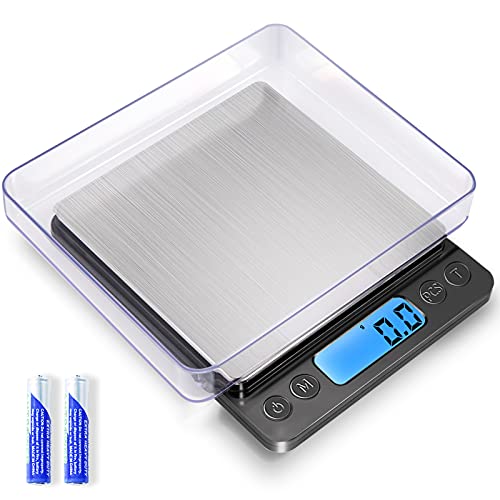
- Digital kitchen scale: Weighing portions gives more accurate mineral and calorie totals than estimating cups. View on Amazon
- Reusable water bottle with time markers: Staying hydrated supports fluid balance, which is especially useful if you sweat during walks or workouts. View on Amazon
- Pill organizer: If you do use a supplement, a weekly organizer helps you keep track of what you took. View on Amazon
Common Mistakes
- Expecting minerals to replace a calorie deficit. Fat loss still comes from eating fewer calories than you burn.
- Taking high-dose supplements without a reason. Extra iron and zinc can cause stomach upset and, over time, imbalances.
- Skipping salt entirely. Sodium and potassium work together. Cutting all salt can backfire, especially if you are sweating heavily.
- Relying on one food. Rotating through leafy greens, beans, nuts, dairy and lean proteins covers more ground than eating the same breakfast every day.
- Ignoring symptoms. Persistent fatigue, cramps, dizziness or hair loss deserve a checkup, not a guess.
Tips for Getting Started This Week
- Pick one mineral to focus on first, usually magnesium or potassium.
- Add one mineral-rich food to a meal you already eat.
- Pair plant-based iron sources with vitamin C foods like bell pepper or orange.
- Track your intake for three days before deciding on any supplement.
- Combine these changes with a regular routine. If you are building one, start with a simple plan like Weight Loss Tips for Beginners: 8 Steps That Actually Work and add daily movement such as the steps in Walking for Weight Loss: A Step-by-Step Guide for Beginners.
FAQ
Can minerals help me lose weight on their own?
No. Minerals support body functions that make a healthy weight-loss plan easier to follow, but fat loss depends on maintaining a calorie deficit over time.
Which mineral is most often low in dieters?
Magnesium and potassium are commonly under-consumed, particularly when meals are built around processed foods. Iron is also a concern for some women and people who eat little meat.
Do I need a mineral supplement?
Many people do not. Start with food, track your intake, and consider a supplement only if gaps persist or a blood test shows a deficiency.
Are electrolyte drinks the same as mineral supplements?
Electrolyte drinks contain sodium, potassium and sometimes magnesium. They can be useful after long sweaty sessions, but many are high in sugar and unnecessary for everyday walks.
Can I get enough minerals without eating meat?
Yes. Beans, lentils, tofu, nuts, seeds, dairy or fortified alternatives and whole grains can cover most needs. Pay extra attention to iron and zinc, and pair iron-rich plants with vitamin C.
How long does it take to see a difference from better mineral intake?
Some people notice steadier energy within a few weeks. Changes in body composition depend mainly on your overall calorie balance and activity.
Are mineral needs different for women and men?
Yes. Recommended amounts of iron, calcium and magnesium vary by sex and age. Check current NIH or Dietary Guidelines values for your situation.
Should I talk to a doctor before taking minerals?
Yes, especially if you have kidney disease, take medications, are pregnant or have a known deficiency. A doctor or registered dietitian can recommend safe amounts.
Conclusion
Minerals for weight loss work best as support for a calorie-controlled plan, not as a replacement for one. Start by tracking your current intake, fill gaps with whole foods, and reassess after a few weeks. Supplements have a role for some people, but they should follow a clear need and a conversation with a healthcare professional.