As an Amazon Associate I earn from qualifying purchases. This page may contain affiliate links.
Vitamins for weight loss are not a shortcut. No vitamin melts fat on its own. What a good vitamin can do is fill nutritional gaps that appear when you cut calories, skip food groups, or train harder than usual. In this guide, you will learn which vitamins matter most during weight loss, how to check whether you actually need them, how to pick a safe product, and how to build a simple routine that supports your diet and exercise.
Start With the Truth: Vitamins Support Weight Loss, They Don’t Cause It
Weight loss comes from eating fewer calories than your body uses over time. That is the core mechanism. Vitamins play a supporting role. They help your body turn food into energy, repair muscle after workouts, and keep your immune system and sleep patterns functioning while you eat less.
When calories drop, many people also reduce their intake of fruits, vegetables, dairy, or whole grains. That can leave gaps in nutrients like vitamin D, B12, iron, and folate. A supplement can help close those gaps. It cannot replace the calorie deficit, the protein, or the movement that does the heavy lifting.
Which Vitamins Matter Most During Weight Loss
Most beginners do not need a long list of supplements. Focus on the nutrients that are commonly low in calorie-restricted diets.
Vitamin D
Vitamin D supports bone health, muscle function, and immune health. Many adults in northern climates or with limited sun exposure run low, especially during winter. Low vitamin D is also common in people with higher body weight. The US National Institutes of Health lists 600 IU per day for most adults under 70 as the recommended dietary allowance, with a tolerable upper limit of 4,000 IU per day from all sources.
Vitamin B12
B12 helps with energy metabolism and nerve function. People who eat little or no animal food, or who take certain medications such as metformin or some acid reducers, are more likely to run low. Fatigue can make a workout plan collapse, so checking B12 status is worth discussing with a doctor if you feel unusually tired.
B-Complex Vitamins in General
B vitamins, including thiamine, riboflavin, niacin, B6, and folate, help your body use carbohydrates, fats, and protein for energy. A basic B-complex is widely available, but if you already eat a varied diet, you likely get enough. Extra doses do not speed up weight loss.
Vitamin C and Vitamin A
Vitamin C supports immune function and helps your body absorb iron. Vitamin A supports vision and skin. Most people meet these needs through fruits and vegetables. If you are cutting calories sharply and eating few produce items, a daily multivitamin can cover the gap.
Iron and Calcium (Use Caution)
Iron and calcium are important but should not be taken without a reason. Excess iron can cause stomach upset and, in some people, harm. Women with heavy periods or people with a confirmed deficiency may need iron. Calcium is best taken in amounts that match your total intake from food.
Step-by-Step: How to Decide If You Need a Vitamin
- Track your normal food for three to four days. Use a free app or a notebook. Note fruits, vegetables, dairy or fortified alternatives, protein sources, and whole grains.
- Look for obvious gaps. Few vegetables? Little dairy? No animal products? These are clues, not diagnoses.
- Review your symptoms. Persistent fatigue, hair shedding, muscle cramps, numbness, frequent illness, or mood changes deserve a medical check before you self-treat.
- Ask a doctor for basic bloodwork if needed. Common tests include vitamin D, B12, ferritin (iron stores), and a complete blood count.
- Choose one targeted product rather than a stack. If your results show a single deficiency, address that first.
Tools and Supplies Checklist
- A food tracking app or notebook for your three-day log
- A pill organizer to keep daily doses consistent
- A pen or phone note to record how you feel each week (energy, sleep, appetite)
- Your most recent blood test results, if you have them
How to Choose a Safe Vitamin Product
Supplement labels can be confusing. Use these checks before buying.
| What to Check | What to Look For | Why It Matters |
|---|---|---|
| Third-party testing | USP, NSF, or ConsumerLab seal | Confirms the label matches what is inside |
| Dose per serving | Near the recommended daily amount | Megadoses can cause harm |
| Ingredient list | Short, with clear names | Fewer fillers and proprietary blends |
| Weight-loss claims | Avoid “burn fat” or “boost metabolism” promises | These claims are not supported by evidence |
| Interactions | Review against your medications | Some vitamins interact with blood thinners and other drugs |
For a deeper look at how vitamins compare for specific goals, see Metabolism Vitamins for Weight Loss: What Works and What Doesn't (2026). If you want ranked options, Great Vitamins for Weight Loss: 8 Expert Picks Compared in 2026 breaks down several choices side by side.
Build a Simple Daily Routine
Step 1: Get Your Food Right First
Aim for protein at every meal, around 0.7 to 1 gram per pound of goal body weight, and fill half your plate with vegetables. This does more for nutrient gaps than any pill.
Step 2: Add One Supplement at a Time
If you choose a vitamin D or B12 product, take it for at least four to six weeks before judging how you feel. Changing several things at once makes it impossible to know what helped.
Step 3: Take It With Food
Fat-soluble vitamins like D, A, E, and K absorb better with a meal that includes some fat. Water-soluble B and C vitamins are fine with or without food, but taking them with breakfast reduces stomach upset for many people.
Step 4: Recheck Periodically
If you were deficient, ask your doctor about retesting in three to six months. Continuing high doses without a reason is unnecessary.
Common Mistakes to Avoid
- Expecting the scale to move from vitamins alone. Weight loss still depends on your calorie deficit.
- Taking several products with overlapping ingredients. Double-dosing vitamin A or D can be harmful.
- Buying “fat burner” blends. Many contain stimulants that raise heart rate and blood pressure.
- Ignoring medication interactions. Check with a pharmacist, especially if you take blood thinners, thyroid medication, or antidepressants.
- Skipping food to save money on groceries and buying more supplements. Whole foods usually give you more nutrients per dollar than pills.
Tips for Staying Consistent
- Take your vitamin at the same time each day, such as with breakfast.
- Use a weekly pill organizer to spot missed doses.
- Pair your routine with a habit you already have, like brushing your teeth.
- Track your energy and sleep, not just your weight, to see whether the supplement is helping.
If you are building a broader plan, Weight Loss Tips for Beginners: 8 Steps That Actually Work covers the habits that drive results. For movement, Walking for Weight Loss: A Step-by-Step Guide for Beginners is a low-risk place to start.
Recommended gear
Tracking your intake and your routine makes it easier to see whether a vitamin is helping. These basics are useful for most beginners.
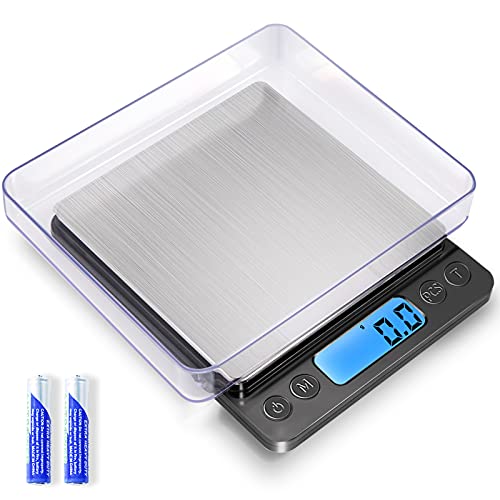
- Digital food scale: Measuring portions accurately helps you hit your protein and calorie targets without guessing. View on Amazon
- Weekly pill organizer: A simple AM/PM organizer keeps daily doses consistent and makes missed doses easy to spot. View on Amazon
- Reusable water bottle with time markers: Staying hydrated supports energy and appetite control during a calorie deficit. View on Amazon
FAQ
Can vitamins alone help me lose weight?
No. Vitamins do not create a calorie deficit. They can support energy, recovery, and overall health while you lose weight through diet and activity.
Which vitamin is most important during weight loss?
There is no single answer for everyone. Vitamin D and B12 are the most commonly low, but the right choice depends on your diet and blood test results.
Should I take a multivitamin every day?
A basic multivitamin can be a reasonable safety net if your diet is restricted. Choose one with doses close to daily recommended amounts rather than megadoses.
How long does it take to notice a difference?
Correcting a true deficiency can take several weeks to months to show improvements in energy or mood. If you feel no change after about three months, talk to your doctor.
Are fat burner vitamins safe?
Many fat burner products contain stimulants or unverified ingredients. They can raise heart rate and blood pressure. Discuss any such product with a doctor before use, especially if you have heart or thyroid conditions.
Can I take vitamins if I am on medication?
Some vitamins interact with medications, including blood thinners, thyroid drugs, and certain antibiotics. Check with your doctor or pharmacist before starting any new product.
Do I need to take vitamins with every meal?
Most people take them once daily. Fat-soluble vitamins absorb better with food, so taking them with your largest meal is a practical choice.
Conclusion
Vitamins for weight loss work best as a support tool, not a fat-burning shortcut. Start with your food, check for real gaps, and consider a targeted supplement only when there is a reason. Talk with a doctor before adding products, especially if you take medication or have a health condition. Consistent eating, protein, and movement will do far more for your results than any single pill.