As an Amazon Associate I earn from qualifying purchases. This page may contain affiliate links.
Probiotics for weight loss are live bacteria and yeasts that may support digestion, appetite and metabolism when combined with a calorie-controlled diet and regular activity. This guide explains what the research currently suggests, how to pick a product, and how to start safely as a beginner. By the end, you will know realistic expectations, a simple daily routine, and the mistakes to avoid.
What Probiotics Can and Cannot Do for Weight Loss
Your gut contains trillions of microbes, and their balance may influence how you store fat, how hungry you feel and how efficiently you extract energy from food. Some clinical trials have reported modest reductions in body weight or waist size with certain probiotic strains, but the results are inconsistent and the effects are usually small. Most trials ran for 8 to 12 weeks and combined the probiotic with diet changes, so it is hard to isolate the supplement’s contribution.
In practical terms, think of probiotics as a possible helper, not a fat-burner. Calorie intake and activity level still drive weight change. If you are hoping for a large drop on the scale from a capsule alone, you will likely be disappointed.
Step 1: Set a Realistic Baseline
Before you add anything new, record where you are. Doing this lets you tell whether a change is working.
- Weigh yourself once a week, at the same time of day, on the same scale.
- Measure your waist at the navel with a soft tape, keeping it level and not pulled tight.
- Note your typical daily steps for three days using your phone or a basic pedometer.
- Write down any digestive issues you already have, such as bloating, constipation or loose stools.
If you take medication for diabetes, blood pressure or any digestive condition, talk with your doctor before starting a probiotic. People with weakened immune systems, recent surgery or a central venous catheter should get medical clearance first, because rare serious infections have been reported with probiotics in these groups.
Step 2: Understand the Main Probiotic Strains
Probiotic products vary widely. The strain matters more than the total number of organisms on the label. The table below summarizes strains that have been studied in relation to weight or waist measurements. Results are preliminary, and not every product containing these strains has been tested.
| Strain (genus and species) | What the research suggests | Common forms |
|---|---|---|
| Lactobacillus gasseri | Small reductions in abdominal fat in some trials | Capsules, powders |
| Lactobacillus rhamnosus | Mixed results; some studies show modest weight change | Capsules, chewables |
| Bifidobacterium breve | Possible reduction in body fat in small studies | Capsules, fermented foods |
| Lactobacillus plantarum | Some evidence for improved metabolic markers | Capsules, fermented foods |
When you read a label, look for the full strain designation (for example, a strain code after the species name) and a stated colony-forming unit (CFU) count. Manufacturers often specify a storage requirement, so check whether the product needs refrigeration.
Step 3: Choose a Product You Can Trust
A simple checklist will help you filter options:
- The label names the exact strain, not just the species.
- The CFU count is stated at the end of shelf life, not only at manufacture.
- A third-party testing seal appears on the packaging, such as USP or NSF, which verifies content and purity.
- No proprietary blends that hide individual ingredient amounts.
- Clear storage instructions and a visible expiration date.
Budget and premium options both exist in this category. A higher price does not guarantee better results, so focus on the strain and the testing information instead. If you want a curated look at options, you can compare a few of our reviews such as 9 Best Probiotics for Weight Loss Livpure (2026): Expert Picks and 6 Best Probiotics for Weight Loss: Expert Picks Compared (2026).
Step 4: Start Low and Build Up
Begin with the lowest dose on the label for the first week. Taking a full dose immediately can cause gas, bloating or loose stools, which may make you quit before the product has any chance to help. Increase gradually over two to three weeks if your stomach tolerates it well.
- Week 1: take the lowest labeled serving once daily, preferably with a meal.
- Weeks 2 to 3: move to the standard label dose if no digestive problems appear.
- Weeks 4 to 12: continue the same dose and keep your tracking notes going.
- Review at 12 weeks: decide whether to continue based on your measurements and how you feel.
Step 5: Pair Probiotics With the Habits That Drive Results
Probiotics work best as part of a broader plan. The basics still do most of the heavy lifting.
- Eat more fiber. Aim for 25 to 30 grams a day from beans, vegetables, oats and whole fruit. Fiber feeds beneficial gut bacteria.
- Add fermented foods. Plain yogurt with live cultures, kefir, sauerkraut and kimchi can supply additional microbes. Choose unsweetened versions.
- Walk daily. A brisk 20 to 30 minute walk most days supports calorie burn without heavy recovery needs. For a structured start, see Walking for Weight Loss: A Step-by-Step Guide for Beginners.
- Sleep 7 to 9 hours. Short sleep increases hunger hormones and makes cravings harder to control.
- Track intake roughly. Many beginners underestimate portions by a wide margin. A food log for two weeks often reveals the gap.
For more foundational habits, the guide Weight Loss Tips for Beginners: 8 Steps That Actually Work covers the core routine in detail.
Common Mistakes to Avoid
- Expecting fast results. Changes in weight from probiotics, if any, are usually gradual and small.
- Choosing based on CFU count alone. A high number of an unproven strain does not beat a smaller dose of a studied one.
- Ignoring storage. Heat and moisture can reduce live counts before the expiration date.
- Stopping and starting constantly. Give any change at least 8 to 12 weeks before judging it.
- Stacking several supplements at once. This makes it impossible to tell what is helping or causing side effects.
- Skipping a doctor visit when you have a health condition or take medication.
Tips for Success
- Take your probiotic at the same time each day, such as with breakfast, to build a habit.
- Keep a simple log of weight, waist size, energy and digestion every week.
- If you travel, pack the product in a cool bag if the label requires refrigeration.
- Stay hydrated. Adequate water intake helps fiber work as intended.
- Reassess after 12 weeks. If you notice no change in measurements, your time and money may be better spent on diet and activity adjustments.
Recommended gear
These items support the routine above. None is required, but each can make tracking and consistency easier.
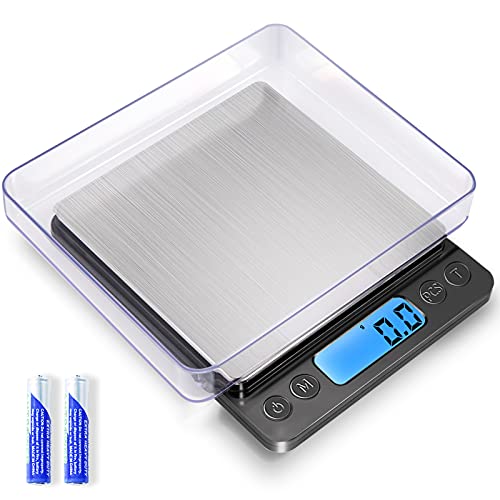
- A digital kitchen scale. Weighing portions of rice, oats and protein makes calorie estimates far more accurate than eyeballing. View on Amazon
- A flexible tape measure. A soft, cloth measuring tape is the standard tool for tracking waist size consistently. View on Amazon
- A digital bathroom scale with body composition. Helpful for spotting trends, though readings can vary with hydration. View on Amazon
- A pill organizer. A weekly organizer helps you remember your daily dose and log adherence. View on Amazon
FAQ
Can probiotics alone make me lose weight?
Probably not in a meaningful way. Research suggests possible small effects, and these appear mainly alongside diet and activity changes. Calorie balance remains the main driver of weight loss.
How long should I take probiotics before judging results?
Most studies run 8 to 12 weeks. Track your weight and waist measurements over that period before deciding whether to continue.
Are there side effects?
Mild gas, bloating or changes in bowel habits are the most common complaints, especially at the start. Serious infections are rare but possible in people with weakened immunity, so check with a doctor if you have a health condition.
Should I take probiotics with food or on an empty stomach?
Many manufacturers recommend taking them with a meal, which may help more organisms survive stomach acid. Follow the label instructions for your specific product.
Do I need to refrigerate my probiotic?
Some products require refrigeration and others are shelf-stable. Check the storage section on the label and follow it closely.
Can I get probiotics from food instead of supplements?
Yes. Yogurt with live cultures, kefir, sauerkraut and kimchi all contain microbes. Food sources also provide other nutrients, though the specific strains and amounts differ from supplements.
Is it safe to take probiotics every day long term?
For most healthy adults, daily use at label doses appears well tolerated in studies. Still, ask your doctor before long-term use, especially if you have a chronic condition.
What if I don’t notice any change?
That is common. If you have completed a 12-week trial with consistent use and no measurable change, consider stopping and focusing on diet, activity and sleep, which have stronger evidence.
Conclusion
Probiotics for weight loss may offer a small supporting benefit, but they are not a shortcut. Choose a product with a named strain and third-party testing, start at a low dose, and track your results for at least 12 weeks. Put most of your effort into fiber, walking, sleep and portion awareness, and talk with a healthcare professional before starting if you have any medical conditions.